

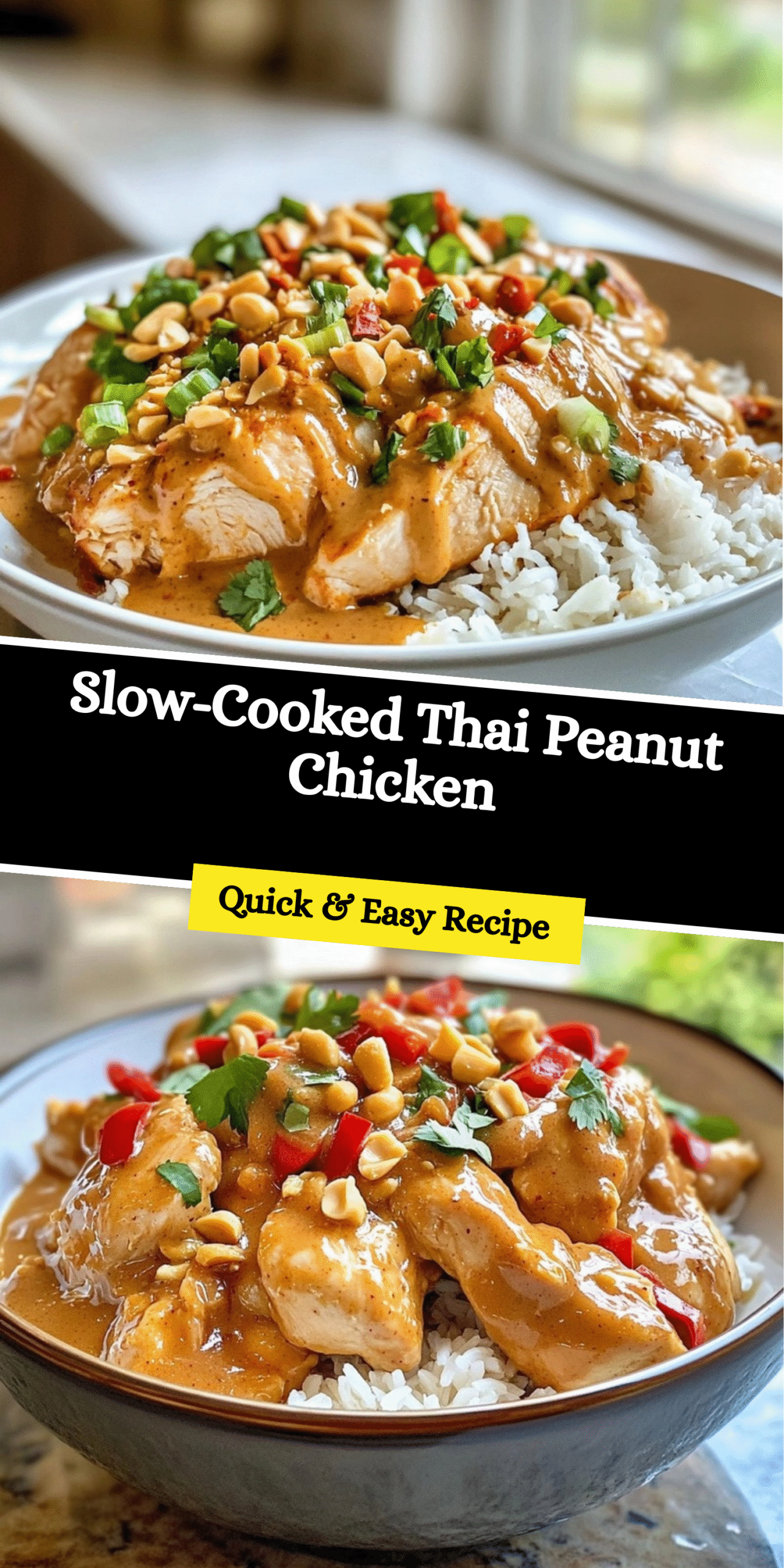
There’s something truly enchanting about the way a slow cooker turns simple ingredients into a symphony of flavor. One chilly evening, I decided to indulge my cravings for something comforting yet exciting, and that’s when I created this Slow-Cooked Thai Peanut Chicken. The moment that luscious peanut sauce began to bubble, filling my kitchen with an irresistible aroma, I knew I was onto something special.
Picture tender chicken bathed in a creamy sauce, enriched by the warmth of ginger and the kick of red curry paste. Paired with vibrant bell peppers, this dish isn’t just easy to prepare; it transforms a busy weeknight into an exotic dining experience right at home. Ideal for impressing dinner guests or just treating yourself, this recipe captures the heart of Thai cuisine in a way that’s satisfying and utterly delicious. Let’s dive into this comforting culinary adventure together!
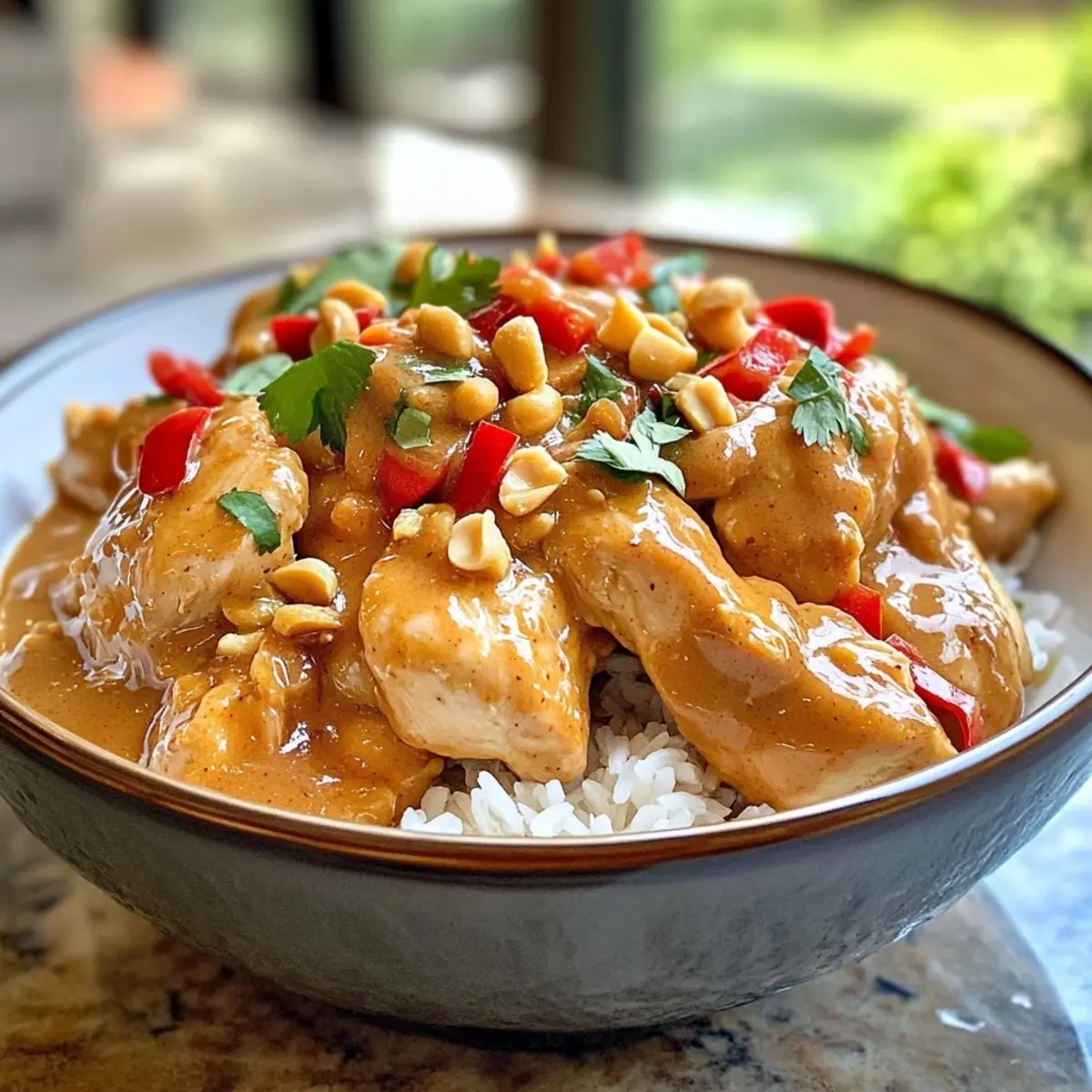
Why is Slow-Cooked Thai Peanut Chicken Amazing?
Irresistible flavor: The rich peanut sauce mingles with tender chicken, creating a bowl of comfort that bursts with authentic Thai taste.
Simplicity reigns: Just toss your ingredients into the slow cooker, set it, and forget it while the magic happens.
Versatility shines: Feel free to swap chicken for tofu or add seasonal veggies like broccoli for a personalized touch.
Crowd-pleaser guarantee: Whether you’re hosting a casual dinner or enjoying a cozy family meal, this dish is sure to impress all palates.
Time-saving convenience: Perfect for busy weeknights, it allows you to spend less time in the kitchen and more time enjoying! For additional inspiration, try pairing it with delicious Healthy Chicken Meal as a balanced side.
Slow-Cooked Thai Peanut Chicken Ingredients
For the Chicken
- Boneless, Skinless Chicken Thighs – Tenderness is key; thighs hold up beautifully in slow cooking.
For the Sauce
- Coconut Milk – Adds creamy texture and mild sweetness; substitute with light coconut milk for fewer calories.
- Natural Peanut Butter – Ensure it’s free from added sugars and oils for the richest flavors.
- Red Curry Paste – Essential for that Thai spice kick; adjust based on your heat preference.
- Soy Sauce – Adds a savory umami punch; tamari can be used for a gluten-free option.
- Lime Juice – Freshly squeezed brings brightness to the dish; zest for an extra zing!
For the Aromatics
- Garlic – Use minced fresh garlic for the best flavor punch in your Slow-Cooked Thai Peanut Chicken.
- Fresh Ginger – Adds warmth; ground ginger works if fresh isn’t available, but the fresh version shines brighter.
For the Vegetables
- Bell Peppers – Mix any color for vibrant crunch and sweetness; add them towards the end for a slight bite.
Feel free to gather these delightful ingredients and ready your slow cooker for an unforgettable culinary creation!
How to Make Slow-Cooked Thai Peanut Chicken
- Prep the Ingredients: Start by chopping the boneless, skinless chicken thighs into bite-sized pieces. Then, finely mince the garlic and fresh ginger, and slice the bell peppers into strips for added crunch.
- Combine in Slow Cooker: Place the chopped chicken in your slow cooker. Add in the creamy coconut milk, natural peanut butter, red curry paste, soy sauce, lime juice, minced garlic, and ginger. Stir well to ensure everything is beautifully mixed.
- Cook: Cover the slow cooker and set it on low. Let it cook for about 6 hours, allowing the flavors to meld together and the chicken to become tender and juicy.
- Add Bell Peppers: In the last 30 minutes of cooking, toss in the bell peppers. This will help maintain their fresh texture and vibrant color.
- Serve: Spoon the luscious Slow-Cooked Thai Peanut Chicken over rice or noodles. For an extra touch, garnish with crushed peanuts and fresh cilantro, if desired.
Optional: Squeeze additional lime juice on top for a refreshing twist.
Exact quantities are listed in the recipe card below.
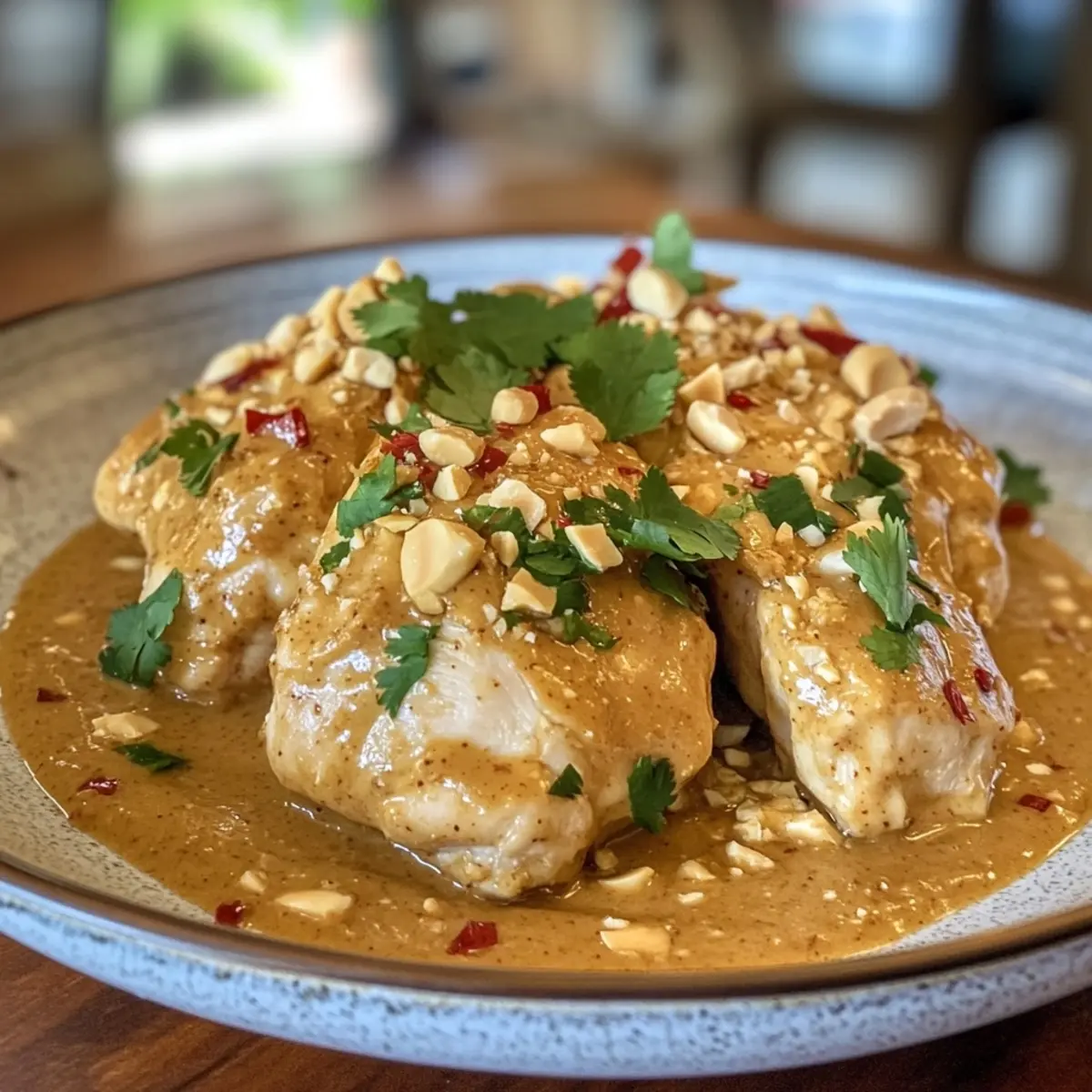
How to Store and Freeze Slow-Cooked Thai Peanut Chicken
Fridge: Store leftover Slow-Cooked Thai Peanut Chicken in an airtight container for up to 3 days. Make sure it cools down before sealing to avoid condensation.
Freezer: For longer storage, freeze portions in airtight containers for up to 3 months. To maintain the sauce’s creamy texture, leave a little space for expansion.
Reheating: Reheat gently on the stove or in the microwave until heated through, stirring occasionally. If the sauce thickens too much during freezing, add a splash of coconut milk while reheating.
Room Temperature: Avoid leaving Slow-Cooked Thai Peanut Chicken at room temperature for more than 2 hours to prevent bacterial growth.
Expert Tips for Slow-Cooked Thai Peanut Chicken
- Keep it Tender: Avoid dry chicken by following the specified cooking time closely. Overcooking can lead to tough, dry meat.
- Adjust to Taste: Don’t be afraid to tweak the levels of red curry paste or lime juice based on your heat preference and desired brightness in your Slow-Cooked Thai Peanut Chicken.
- Layer Flavors: For a richer sauce, consider adding a splash of tamari or more peanut butter. This enhances the umami without overpowering the original flavors.
- Check Your Slow Cooker: Slow cookers vary; if yours tends to run hot, check for doneness sooner to prevent overcooking the chicken.
- Storage Tips: This dish stores well in the refrigerator for up to three days. Reheat gently on the stove or in the microwave to enjoy leftovers at their best.
What to Serve with Slow-Cooked Thai Peanut Chicken?
Transform your dinner into an unforgettable experience with the perfect side dishes that complement the rich flavors of this delightful dish.
- Fluffy Jasmine Rice: The subtle sweetness of jasmine rice pairs beautifully with the creamy peanut sauce, soaking up all its goodness.
- Crispy Asian Slaw: A refreshing mix of crunchy cabbage and vibrant carrots adds a crisp texture, balancing the richness of the chicken. Use a light sesame dressing for a flavor boost.
- Steamed Broccoli: The bright green florets not only offer a pop of color but also a nutritious crunch, making your meal visually enticing and healthful.
- Coconut Sticky Rice: For a sweet touch, this sticky rice infused with coconut complements the Thai flavors, enhancing the overall indulgence of your dinner.
- Thai Mango Salad: With its zesty lime dressing and hint of sweetness, this refreshing salad brightens up the meal and adds a tropical flair. It’s a delightful contrast to the creamy chicken.
- Thai Iced Tea: Treat yourself to a classic Thai beverage that’s sweet and creamy, perfectly balancing the savory flavors of the chicken.
Each of these additions will ensure your table feels vibrant and complete, turning a cozy dinner into a delightful feast!
Make Ahead Options
These Slow-Cooked Thai Peanut Chicken meals are perfect for busy weeknights! You can prep all the ingredients up to 24 hours in advance; simply chop the chicken and vegetables, mince the garlic and ginger, and mix the sauce ingredients in a bowl, covering them tightly and refrigerating until ready to cook. This method helps maintain the fresh flavors and prevents browning. When you’re ready to serve, just transfer everything to the slow cooker and follow the regular cooking instructions. You’ll still achieve that delectable taste and tender chicken, making mealtime a breeze with minimal effort!
Slow-Cooked Thai Peanut Chicken Variations
Feel free to add your personal touch to this delightful recipe and make it uniquely yours!
- Vegetarian: Substitute chicken with tofu or tempeh, ensuring a deliciously satisfying meal for plant-based lovers.
- Extra Veggies: Toss in seasonal favorites like carrots, broccoli, or snap peas for added nutrition and colorful crunch.
- Nut-Free: Use sunflower seed butter as a creamy alternative for those with nut allergies while still enjoying that rich texture.
- Low-Carb: Serve in lettuce cups instead of rice for a lighter option that’s both fresh and delightful.
- Spicy Kick: Boost the heat by adding sliced fresh chili peppers or increasing the red curry paste for a fiery adventure.
- Coconut-Lime Rice: Serve over coconut-lime infused rice for a fragrant twist that complements the rich peanut sauce beautifully.
- Thai Basil: Add a sprinkle of fresh Thai basil just before serving to elevate the dish with aromatic, herbal notes.
- Sweet & Savory: Incorporate diced mango for a tropical sweetness that contrasts beautifully with the savory peanut sauce.
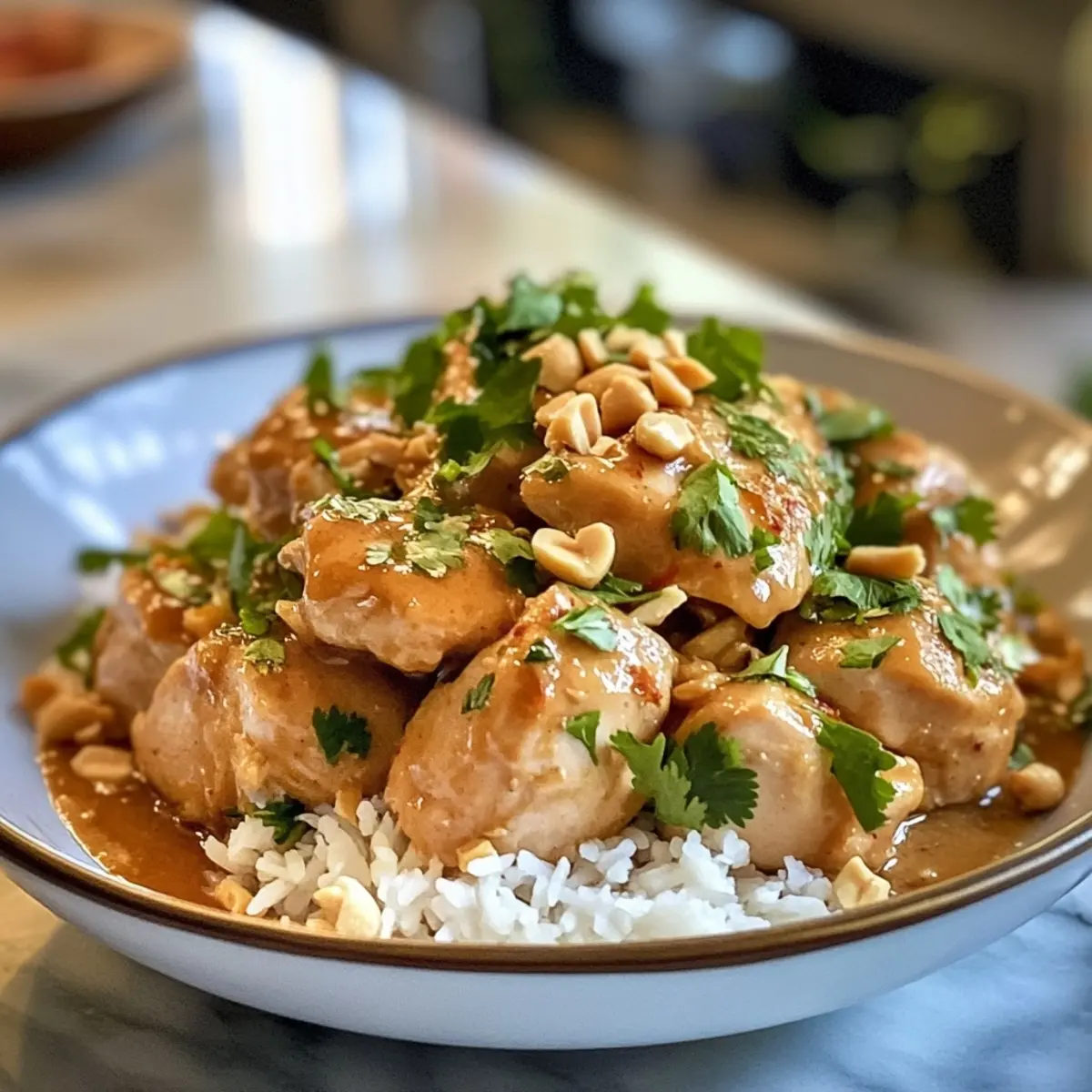
Slow-Cooked Thai Peanut Chicken Recipe FAQs
What should I look for when selecting chicken for this recipe?
Absolutely! For the best results, choose boneless, skinless chicken thighs. They are more tender and flavorful compared to chicken breasts, especially in slow cooking. Look for pieces that are plump and free from dark spots; this usually indicates freshness.
How long can I store leftover Slow-Cooked Thai Peanut Chicken in the fridge?
Very! Leftovers can be stored in an airtight container in the fridge for up to 3 days. Make sure to let the dish cool to room temperature before sealing it to prevent condensation, which can make it watery.
Can I freeze Slow-Cooked Thai Peanut Chicken?
Absolutely! You can freeze this dish for up to 3 months. To do this, let it cool completely, then portion it into airtight containers or freezer bags. Make sure to leave some space for the sauce to expand as it freezes. When ready to eat, thaw it in the fridge overnight and reheat gently on the stove.
What if my sauce becomes too thick after freezing?
Very! If your sauce thickens during freezing, you can easily restore its creamy texture. When reheating, add a splash of coconut milk or water while stirring until you reach the desired consistency. This will help bring back that luscious feel.
Are there any dietary considerations I should be aware of?
Absolutely! If you’re cooking for someone with nut allergies, you can substitute natural peanut butter with sunflower seed butter for a different yet delicious taste. Additionally, if you’re gluten-sensitive, make sure to use tamari instead of regular soy sauce. Always double-check labels to ensure safety.
Can I use different vegetables in this dish?
Oh, the more the merrier! Feel free to mix in seasonal veggies like broccoli, carrots, or snap peas. Just remember to add them in the last 30 minutes of cooking to keep their vibrant color and slight crunch.
Easy and Indulgent Slow-Cooked Thai Peanut Chicken Delight
Equipment
- slow cooker
Ingredients
For the Chicken
- 1 pound Boneless, Skinless Chicken Thighs Tenderness is key; thighs hold up beautifully in slow cooking.
For the Sauce
- 1 can Coconut Milk Adds creamy texture and mild sweetness; substitute with light coconut milk for fewer calories.
- 1/2 cup Natural Peanut Butter Ensure it's free from added sugars and oils for the richest flavors.
- 2 tablespoons Red Curry Paste Essential for that Thai spice kick; adjust based on your heat preference.
- 3 tablespoons Soy Sauce Adds a savory umami punch; tamari can be used for a gluten-free option.
- 2 tablespoons Lime Juice Freshly squeezed brings brightness to the dish; zest for an extra zing!
For the Aromatics
- 3 cloves Garlic Use minced fresh garlic for the best flavor punch.
- 1 tablespoon Fresh Ginger Adds warmth; ground ginger works if fresh isn't available.
For the Vegetables
- 2 cups Bell Peppers Mix any color for vibrant crunch and sweetness; add them towards the end for a slight bite.
Instructions
Directions
- Start by chopping the boneless, skinless chicken thighs into bite-sized pieces. Then, finely mince the garlic and fresh ginger, and slice the bell peppers into strips for added crunch.
- Place the chopped chicken in your slow cooker. Add in the creamy coconut milk, natural peanut butter, red curry paste, soy sauce, lime juice, minced garlic, and ginger. Stir well to ensure everything is beautifully mixed.
- Cover the slow cooker and set it on low. Let it cook for about 6 hours, allowing the flavors to meld together and the chicken to become tender and juicy.
- In the last 30 minutes of cooking, toss in the bell peppers. This will help maintain their fresh texture and vibrant color.
- Spoon the luscious Slow-Cooked Thai Peanut Chicken over rice or noodles. For an extra touch, garnish with crushed peanuts and fresh cilantro, if desired.
Notes
Nutrition

Leave a Comment